
Thailand Travel Q&A25|Everything You Need to Know Before Your First Trip
Thailand is one of the most popular travel destinations in Southeast Asia. With its warm climate, beautiful beaches, vibrant cities, and world-famous cuisine, it attracts millions of visitors every year. However, if it is your first time visiting, you may have many questions such as: “Is Thailand safe?”, “Can people speak English?”, or “Do I need to tip?”
In this article, we answer 25 of the most frequently asked questions about traveling to Thailand. From preparation before departure to practical tips during your stay, this guide will help you travel with confidence.
目次
1. Before You Travel (Q1–Q5)
Q1. Do I need a visa to visit Thailand?
For short-term tourism, many nationalities can enter Thailand without a visa. However, the length of stay varies by country, so please check the latest immigration rules before departure.
Q2. When is the best time to visit Thailand?
The cool season from November to February is the most comfortable and popular time to visit. March to May is very hot, and the rainy season usually runs from June to October.
Q3. What should I bring?
Essentials include your passport, travel insurance, necessary medications, sunscreen, and light clothing. If you plan to visit temples, bring clothes that cover your shoulders and knees.
Q4. Should I buy a SIM card or eSIM?
You can purchase a SIM card at the airport, but preparing an eSIM in advance is more convenient and saves time.
Q5. Can I use a credit card in Thailand?
Credit cards are widely accepted in cities, shopping malls, and hotels. However, cash is still needed at street markets and small local shops.
2. Transportation & Getting Around (Q6–Q10)
Q6. How do I get from the airport to the city?
In Bangkok, you can use the Airport Rail Link, taxi services, or ride-hailing apps for convenient transportation.
Q7. Are taxis safe in Thailand?
Generally, yes. Make sure the driver uses the meter, or agree on the fare before starting your trip.
Q8. Is Grab available in Thailand?
Yes. Grab operates in Bangkok and other major cities and is widely used by locals and tourists.
Q9. Is traffic heavy in Bangkok?
Yes, especially during rush hours. Plan extra travel time if you have important appointments.
Q10. Are trains easy to use?
Yes. BTS (Skytrain) and MRT systems have English signage and are easy for first-time visitors to navigate.
3. Food, Money & Shopping (Q11–Q15)
Q11. Is Thai food very spicy?
Many dishes are spicy, but you can say “No spicy” or “Less spicy” when ordering.
Q12. Can I drink tap water in Thailand?
No. Tap water is not safe to drink. Always buy bottled water.
Q13. Is tipping required in Thailand?
Tipping is not mandatory, but leaving a small tip at restaurants or massage shops is appreciated.
Q14. Is street food safe?
Street food is generally safe if you choose busy stalls with high turnover and fresh ingredients.
Q15. Can I bargain when shopping?
Bargaining is common at local markets but not in shopping malls or department stores.
4. Safety, Etiquette & Culture (Q16–Q20)
Q16. Is Thailand safe for tourists?
Thailand is relatively safe, but you should always be aware of pickpocketing and keep your belongings secure.
Q17. Are there topics I should avoid discussing?
The Thai Royal Family is highly respected. Avoid making negative comments or jokes about the monarchy.
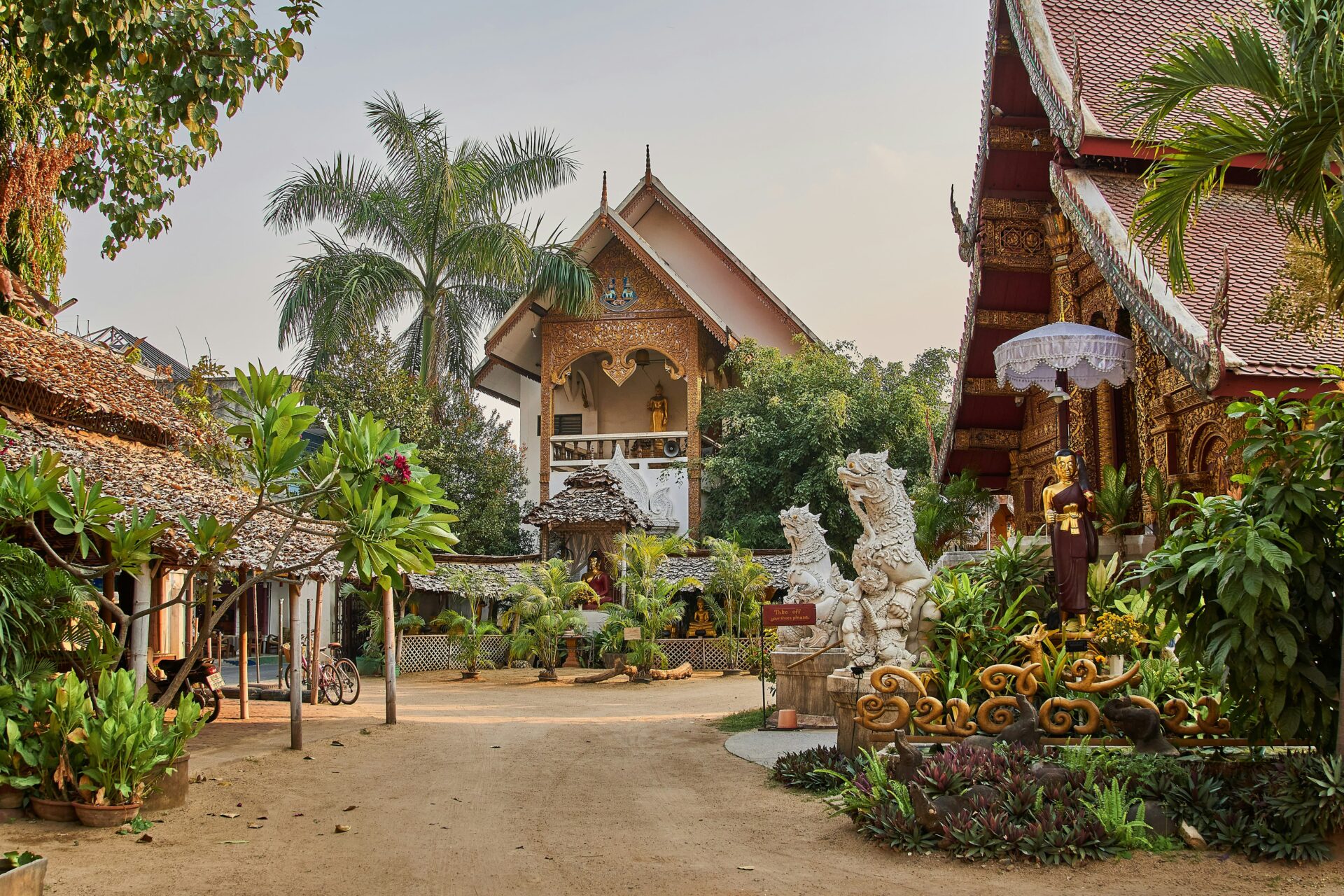
Q18. What should I wear when visiting temples?
Dress modestly. Avoid sleeveless tops, short skirts, or shorts. You must remove your shoes before entering temple buildings.
Q19. Is it true that touching someone’s head is inappropriate?
Yes. The head is considered the most sacred part of the body in Thai culture, so avoid touching it.
Q20. Is pointing with your feet rude?
Yes. Feet are considered the lowest part of the body, and pointing at people or objects with your feet is disrespectful.
5. Common Problems & What to Do (Q21–Q25)
Q21. What should I do if I lose my phone?
Report the loss to the police and contact your insurance provider immediately.
Q22. What if I get sick in Thailand?
Private hospitals in major cities are well-equipped and often provide English-speaking staff.
Q23. What should I do if I lose my passport?
Go to the nearest police station to file a report, then contact your embassy or consulate.
Q24. Where is the best place to exchange money?
Currency exchange counters in the city often offer better rates than those at the airport.
Q25. Will people speak English if I need help?
In tourist areas, hotels, and major cities, English is commonly spoken.
Conclusion
Traveling to Thailand for the first time can feel overwhelming, but proper preparation makes all the difference. By understanding basic travel tips, cultural etiquette, and practical information, you can enjoy your trip with confidence.
Thailand offers unforgettable experiences, from vibrant street food and cultural landmarks to relaxing beaches and modern city life. Use this Thailand Travel Q&A25 guide to prepare for your journey, and enjoy everything this amazing country has to offer. Safe travels!
(Photo by unsplash.com)