
Thailand Digital Nomad Visa Guide|Understanding the DTV (Destination Thailand Visa)
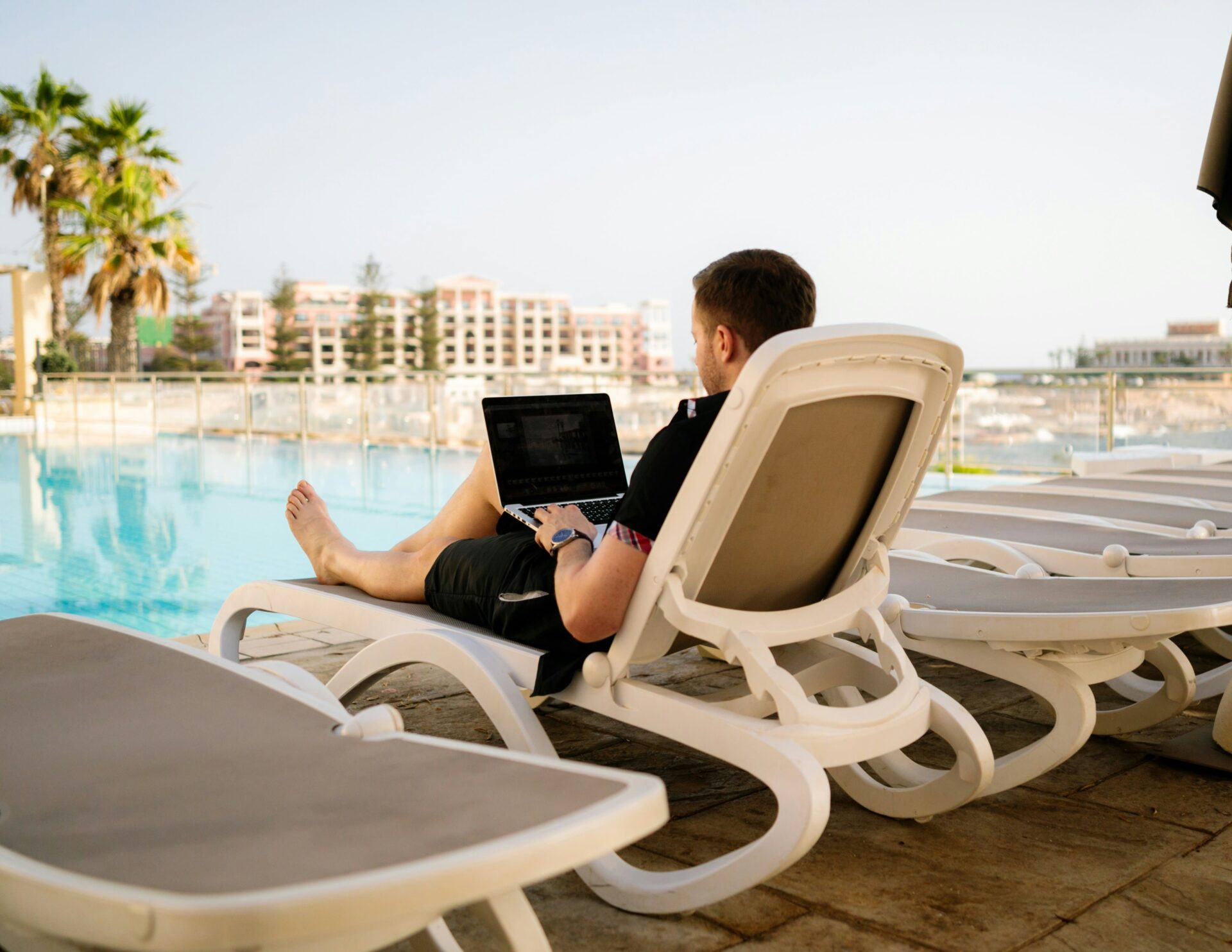
As remote work becomes increasingly common around the world, more professionals are choosing location-independent lifestyles. Thailand has emerged as one of the most attractive destinations for digital nomads thanks to its warm climate, modern infrastructure, affordable living costs, and vibrant international community.
To support this trend, the Thai government introduced the DTV (Destination Thailand Visa), a long-term visa designed for remote workers, freelancers, and location-independent professionals.
In this article, we provide a clear overview of the DTV (Destination Thailand Visa), including eligibility requirements, lifestyle considerations, popular locations, and important precautions. If you are considering living and working remotely from Thailand, this guide will help you prepare.
目次
1. What Is the DTV (Destination Thailand Visa)?
The DTV (Destination Thailand Visa) is a long-term visa introduced by the Thai government to attract remote workers and global professionals. It allows eligible individuals to stay in Thailand legally while earning income from overseas sources.
In the past, many digital nomads relied on tourist visas or frequent visa runs to extend their stay. However, tourist visas are not designed for long-term remote work and often come with limitations and uncertainty.
With the DTV, qualified applicants can enjoy a clearer legal framework for long-term residence in Thailand while continuing to work for foreign employers or operate overseas businesses. This initiative strengthens Thailand’s position as a global hub for digital nomads.
2. Eligibility Requirements and Target Applicants
The DTV (Destination Thailand Visa) primarily targets individuals who earn income from outside Thailand. In other words, applicants must not be employed by Thai companies under this visa category.
Typical requirements may include:
- Proof of employment with a foreign company or evidence of overseas business operations
- Meeting a specified income threshold
- Valid international health insurance coverage
- A clean criminal record
Specific criteria may change over time, so it is important to check official government sources before applying.
This visa is especially suitable for IT professionals, software developers, designers, marketers, consultants, online entrepreneurs, and other remote-friendly professions.
3. Cost of Living and Housing in Thailand
Thailand offers a relatively affordable lifestyle compared to many Western countries, though costs vary depending on the city and lifestyle choices.
In central Bangkok, modern condominiums range widely in price, from modest apartments to luxury high-rise units. Many buildings offer amenities such as swimming pools, gyms, and co-working spaces.
Food expenses can be very affordable if you eat at local restaurants and street food stalls. However, imported goods and international dining options are more expensive.
On average, a monthly budget of approximately USD 1,500–2,500 can provide a comfortable lifestyle in Bangkok, depending on accommodation standards and personal spending habits.
4. Popular Cities for Digital Nomads
In Bangkok, neighborhoods such as Phrom Phong, Thonglor, and Ekkamai are popular among digital nomads. These areas offer strong internet connectivity, numerous cafés, co-working spaces, and an active international community.
Chiang Mai has long been known as a digital nomad hub. It provides a more relaxed environment and lower living costs, making it ideal for those who prefer a quieter setting while working remotely.
For those who prefer a coastal lifestyle, Phuket and Koh Samui are also attractive options. However, business networking opportunities may be more limited compared to Bangkok.
5. Advantages and Important Considerations
One of the main advantages of the DTV (Destination Thailand Visa) is legal clarity. It reduces the need for visa runs and provides greater stability for long-term planning.
Thailand also offers convenient access to other Southeast Asian countries, making it an excellent regional base. The climate, diverse food culture, and welcoming environment further enhance its appeal.
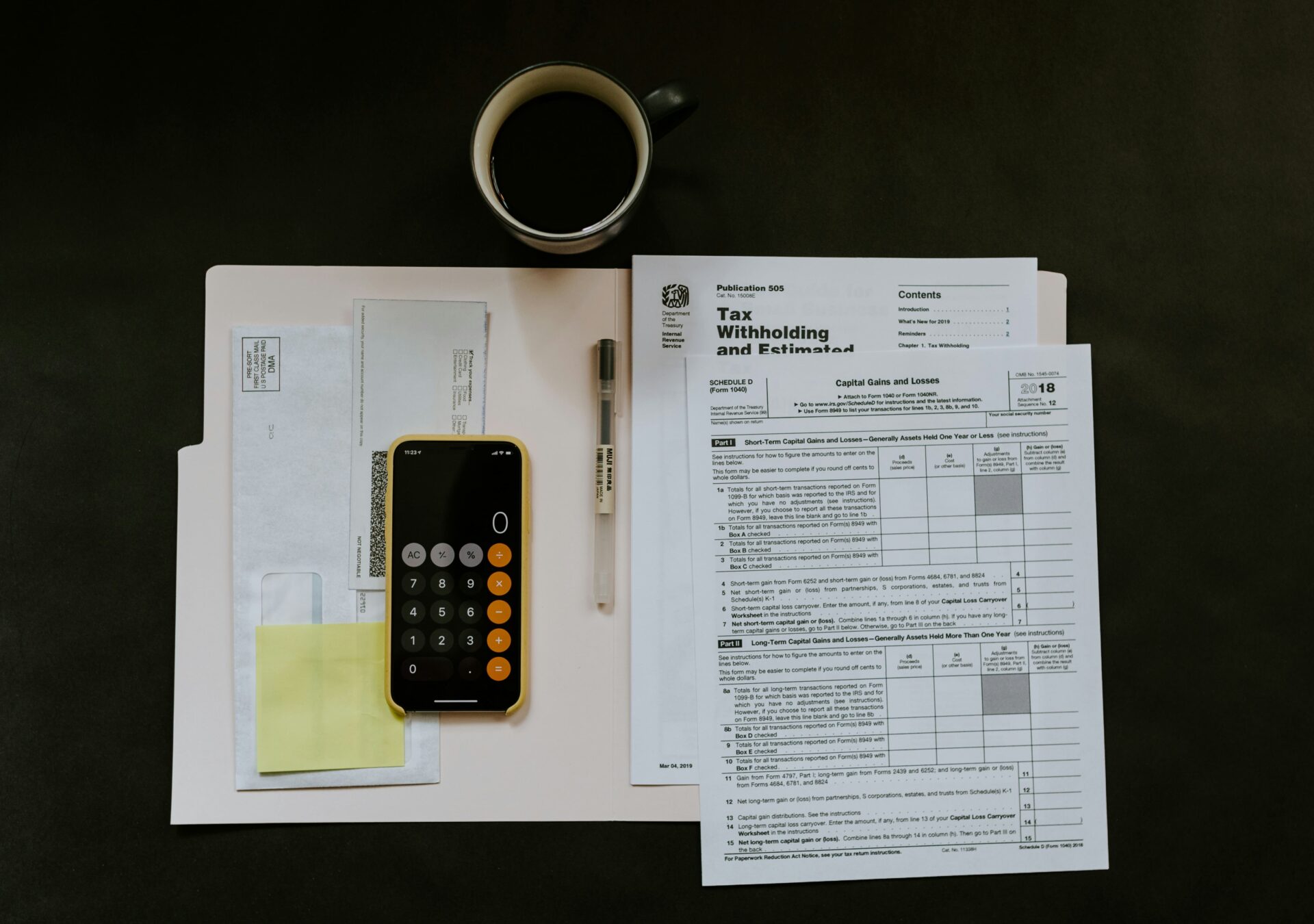
However, applicants should remain aware of potential changes in visa regulations and tax policies. It is important to understand how your home country’s tax obligations may interact with Thai residency rules. Consulting a tax professional is highly recommended.
Cultural adaptation is another key factor. While English is widely spoken in urban areas, learning basic Thai and understanding local customs can significantly improve your long-term experience.
Conclusion
Thailand is one of the most attractive destinations for remote professionals seeking a balance between lifestyle and productivity. The introduction of the DTV (Destination Thailand Visa) has made long-term stays more accessible and structured for digital nomads.
That said, careful preparation is essential. Understanding visa requirements, income criteria, tax implications, and living expenses will help you make informed decisions.
For those looking to build a flexible, location-independent lifestyle in Southeast Asia, Thailand offers strong potential. By using the DTV system effectively, you can create a sustainable and rewarding digital nomad experience.
(Photo by unsplash.com)