
Internet Options for Traveling in Thailand! eSIM vs SIM Card vs Pocket WiFi | 2026 Edition
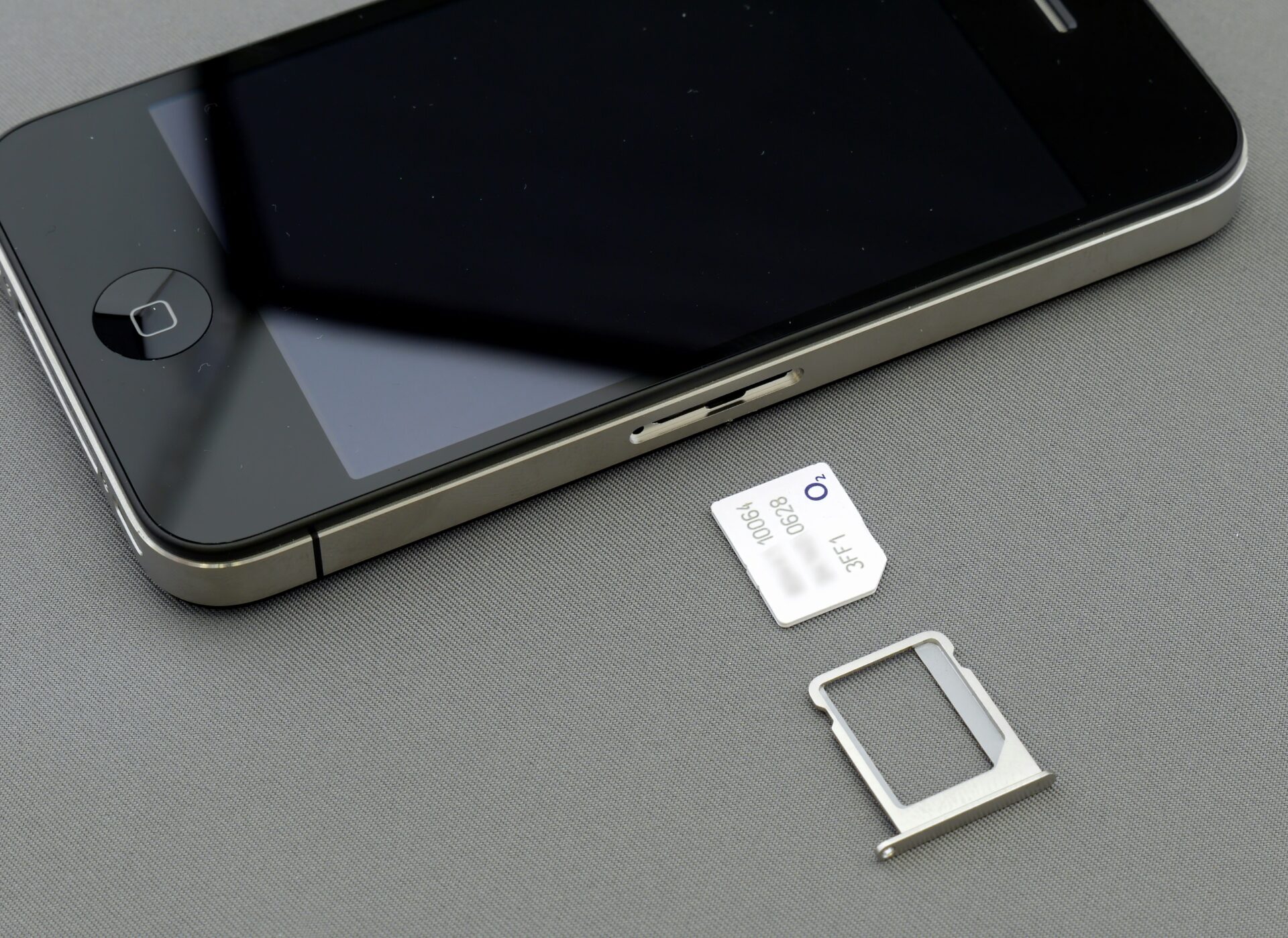
A reliable internet connection is essential when traveling in Thailand.
From navigation and ride-hailing apps to translation tools and restaurant searches, your smartphone plays a key role throughout your trip. Choosing the right connectivity option can greatly improve your travel experience.
This guide compares eSIM, local SIM cards, and pocket WiFi for travelers visiting Thailand in 2026.
It is designed to help first-time visitors make a clear, confident choice before departure.
1. Why Internet Access Matters When Traveling in Thailand
During a trip to Thailand, you will frequently rely on mobile data for:
- Navigation and maps
- Ride-hailing apps
- Searching for restaurants and cafés
- Translation apps
- Checking flight and hotel information
Unstable connectivity can quickly lead to stress.
Deciding on your internet option before leaving home is one of the easiest ways to ensure a smooth trip.
2. What Is an eSIM and Why It’s Popular for Thailand Trips
An eSIM is a digital SIM built into your smartphone, eliminating the need for a physical SIM card.
Once installed in advance, it connects automatically when you arrive.
Key benefits of eSIM include:
- No need to purchase a SIM at the airport
- No physical SIM swapping
- Quick setup using a QR code
- Instant internet access upon arrival
For short stays and first-time visitors, eSIM is the most convenient and low-risk option.
3. Local SIM Cards | Pros and Things to Consider
Tourist SIM cards are widely available at Thai airports and in city shops.
Advantages:
- Generally affordable
- Often provides stable connection speeds
Things to consider:
- Purchase and registration required after arrival
- Physical SIM replacement needed
- Your home phone number becomes temporarily unavailable
- Quality varies by vendor and plan
Local SIM cards work well for experienced travelers but may feel inconvenient for beginners.
4. Pocket WiFi | Advantages and Drawbacks
Pocket WiFi devices are typically rented in advance and carried during your trip.
Advantages:
- Can be shared among multiple devices
- Simple connection process
Drawbacks:
- Extra device to carry
- Battery management required
- Risk of loss or damage
- Pickup and return procedures
Due to these drawbacks, pocket WiFi has become less popular in recent years.
5. Which Option Should You Choose? By Travel Style
Here’s a simple recommendation based on travel style:
- First-time travelers or short stays
→ eSIM is highly recommended - Long-term stays or budget-focused travel
→ Local SIM card - Families or groups using multiple devices
→ Pocket WiFi
If you prefer a hassle-free setup and want to avoid decision-making after arrival, eSIM is the best choice.
6. Exclusive Offer | USD 5 Off Your First Saily eSIM
Here is an exclusive offer for readers of this article.
When purchasing an eSIM from Saily, simply enter the coupon code below at checkout to receive USD 5 off your first purchase.
Coupon Code: REINAW4765
By setting up your eSIM in advance, you can start using the internet immediately upon arrival in Thailand—no airport lines, no SIM swapping.
This option is especially recommended for first-time travelers who want a smooth and stress-free start to their trip.
■Official site: https://saily.com/
7. Summary | eSIM Is the Most Reliable Choice for Thailand in 2026
Travelers to Thailand can choose between eSIMs, local SIM cards, and pocket WiFi, but eSIM stands out as the most reliable option in 2026.
- Easy setup before departure
- Immediate connectivity upon arrival
- No extra devices or SIM handling
- Ideal for beginners
By securing your internet connection in advance, you can enjoy a more flexible and comfortable Thailand travel experience.
Choose the option that best fits your travel style and enjoy your trip with confidence.
(Photo by Unsplash.com)