
The Best Time to Visit Thailand in 2026: What the Rainy Season Is Really Like

Planning a trip to Thailand but wondering whether May or the rainy season is worth it? You’re not alone. Many travelers assume the rainy season means ruined vacations, but the reality on the ground tells a very different story. This guide breaks down Thailand’s three distinct seasons, what to expect in May, and how to make the most of your trip regardless of when you visit.
1. Thailand’s Three Seasons Explained
Thailand has a tropical climate year-round, but the year divides into three distinct seasons that dramatically affect your travel experience.
Cool Season (November – February) This is peak tourist season, and for good reason. Temperatures in Bangkok hover around 25–32°C (77–90°F), humidity drops, and skies are mostly clear. It’s the most comfortable time to explore temples, markets, and beaches. Expect higher hotel prices and larger crowds at popular sites.
Hot Season (March – Early May) Temperatures climb to 35–40°C (95–104°F), and the humidity builds steadily. While it can feel punishing outdoors, this is also when Thailand’s most famous festival takes place: Songkran, the Thai New Year water festival in mid-April. If you don’t mind the heat, the festive atmosphere more than makes up for the sweltering temperatures.
Rainy Season (Mid-May – October) Driven by the southwest monsoon, this season brings frequent rain showers. However, “rainy season” is somewhat misleading — it rarely rains all day. The typical pattern is sunny mornings followed by a short, intense downpour in the afternoon or evening, after which the skies clear again. Think of it as nature’s daily air conditioning.
2. What Is May Really Like? The Truth About the Rainy Season
May sits at the transition point between the hot season and the full rainy season, making it one of the most misunderstood months to visit Thailand.
Temperature and Humidity Expect maximum temperatures of 34–36°C (93–97°F) in Bangkok with high humidity. The air feels heavy, so stay hydrated and carry sun protection. Early mornings and evenings are noticeably more comfortable.
Rainfall Bangkok’s average rainfall in May is around 180–200mm. Rain usually arrives in the afternoon and doesn’t last long. Most mornings are perfectly dry and sunny, making them ideal for sightseeing. Smart travelers front-load their outdoor activities before noon, then retreat to air-conditioned shopping malls or spas in the afternoon.
Crowds and Prices Here’s the real upside of visiting in May: far fewer tourists than during the cool season, and significantly lower prices for flights and accommodation. You can explore popular attractions without fighting through crowds, and you’ll often find room rates 30–50% cheaper than peak season.
Note on Visakha Bucha May also brings Visakha Bucha, one of Thailand’s most important Buddhist holidays. On this day, alcohol sales are restricted nationwide. It’s worth checking the exact date before your trip if you’re planning a night out.
3. What to Do in Thailand During the Rainy Season
Far from being a travel write-off, the rainy season opens up some of Thailand’s best experiences.
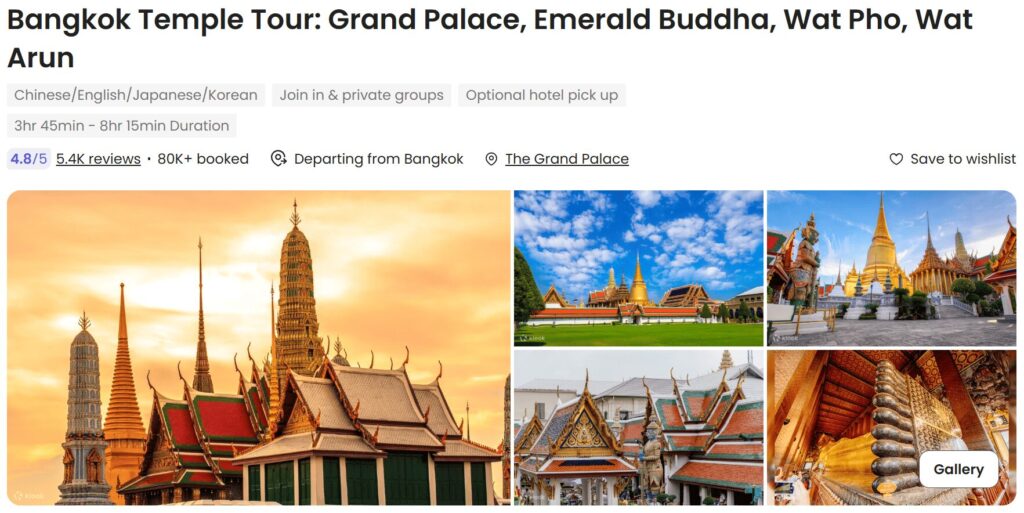
Temple Hopping in Bangkok Bangkok’s iconic temples — Wat Phra Kaew (Temple of the Emerald Buddha), Wat Pho, and Wat Arun — are best visited in the morning before the afternoon rain arrives. After a downpour, temple grounds look lush and vivid, offering stunning photo opportunities that dry-season visitors never see.
World-Class Shopping and Dining Bangkok is a shopping paradise regardless of the weather. Siam Paragon, CentralWorld, and Iconsiam are massive air-conditioned malls where you can spend entire days. The city’s food scene is equally weather-proof, from street food stalls to Michelin-starred restaurants. Rain is no obstacle to eating your way through the city.
Island Escapes — Know Your Geography Not all of Thailand gets the same rain at the same time. The Gulf of Thailand coast (Koh Samui, Koh Phangan, Koh Tao) has a different weather pattern — its rainy season runs from October to December, meaning May is actually a good time to visit. The Andaman coast (Phuket, Krabi, Koh Lanta) is wetter from May to October, though Phuket remains popular even during this period.
Klook.comSpa and Wellness Days Thailand is home to some of the world’s best and most affordable spas. A rainy afternoon is the perfect excuse to book a traditional Thai massage or a full spa package. Prices are often lower outside peak season, making it an ideal time to indulge.
4. Best Time to Visit Based on Your Travel Goals
The “best” time to visit Thailand depends entirely on what you want to do:
- Best overall weather and comfort: November to February (Cool Season). Ideal for first-time visitors who want reliable sunshine and mild temperatures across the entire country.
- Best for festivals: Mid-April for Songkran, the world-famous water festival. Book early — it’s one of Thailand’s busiest travel periods.
- Best for budget travelers: May to October (Rainy Season). Cheaper flights, cheaper hotels, fewer crowds, and the rain is rarely a serious obstacle to enjoying yourself.
- Best for diving and snorkeling: Koh Tao is excellent from March to September. Phuket and Krabi are best from November to April.
- Best for cultural experiences: Any time, but Visakha Bucha in May–June offers a rare window into Thailand’s living Buddhist traditions.
5. Final Thoughts
Thailand’s rainy season, including May, gets an unfairly bad reputation. Yes, it rains — but usually only for an hour or two in the afternoon, and the rest of the day is perfectly enjoyable. The trade-off is real: fewer tourists, lower prices, and a more authentic atmosphere. If you plan your days around the weather patterns and embrace indoor Thailand (its food, spas, and malls are world-class), you’ll have an incredible trip whenever you choose to go.
(Photo by unsplash.com)