
Thailand in September: Weather & What to Wear (2026)
This article contains promotional links.
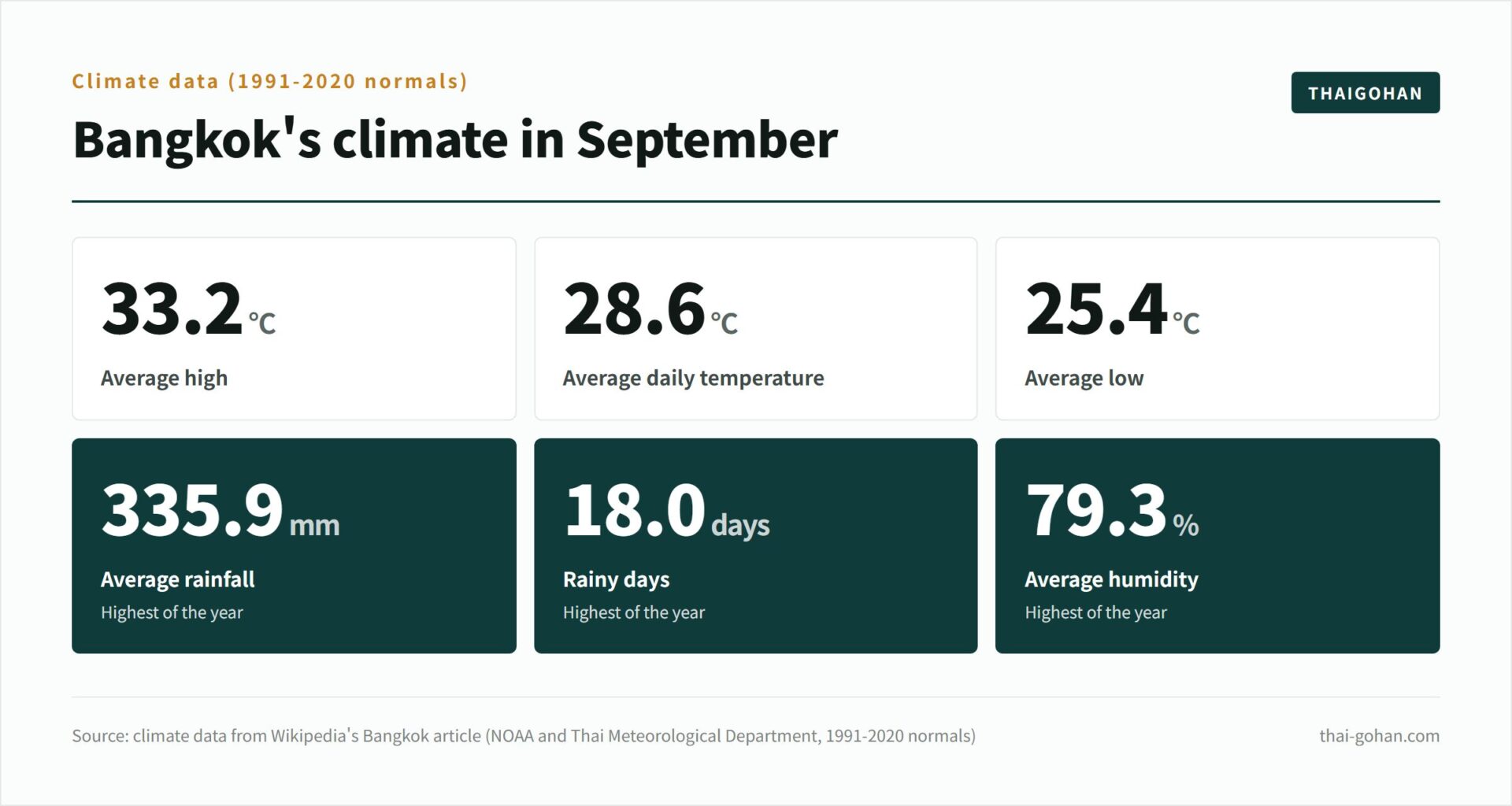
September marks the point in the year when Bangkok sees the most rain of any month. Average rainfall reaches 335.9mm over 18.0 rainy days — both the highest figures of the year. Daytime temperatures still hover around 33°C (91°F) with high humidity, so dressing well for September means planning for two things at once: strong indoor air-conditioning and sudden downpours.
How Much Does It Rain in Thailand in September? Late-Season Weather and Temperatures
The short answer: September is the wettest month of Bangkok’s rainy season, both in total rainfall and number of rainy days.
Based on the 1991–2020 climate normals, Bangkok’s average high in September is 33.2°C (92°F), the daily mean is 28.6°C (83°F), and the average low is 25.4°C (78°F). Temperatures themselves aren’t much different from July or August, but average rainfall of 335.9mm, 18.0 rainy days, and average humidity of 79.3% are all the highest figures recorded across the year.
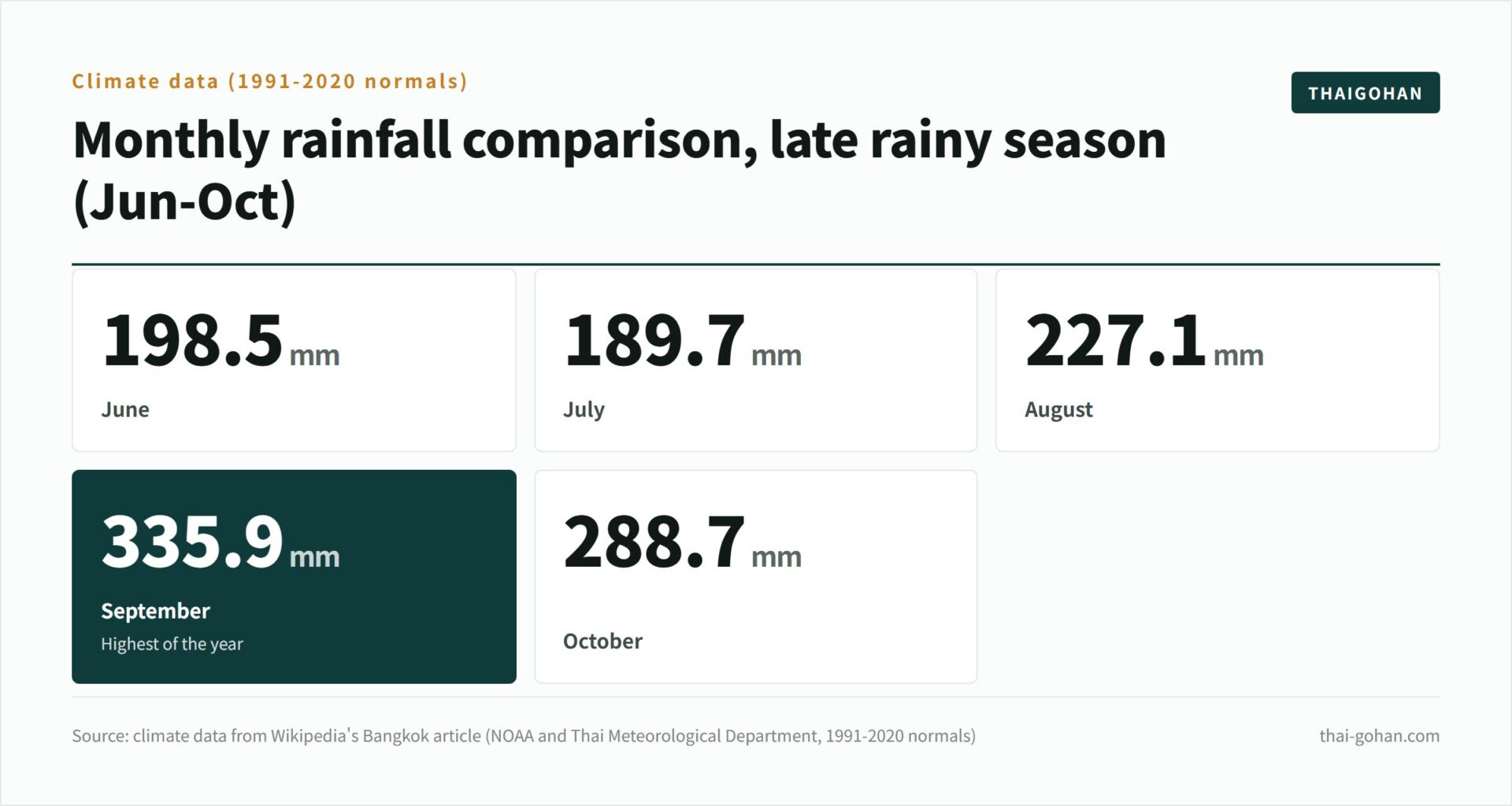
Even within the rainy season, monthly totals shift noticeably: July sees 189.7mm over 14.1 rainy days, August sees 227.1mm over 15.6 days, and October sees 288.7mm over 14.4 days. If you’re travelling in September, it helps to plan for even heavier rain gear than you would for the peak of the rainy season in July or the start of the rainy season in June. A real-world example from a past trip is also covered in this July 2025 weather and packing guide.
If you want to understand where September fits into Thailand’s overall travel calendar, it’s worth checking the best time to visit Thailand by city (2026 edition) to see how this month compares to the rest of the year.
Should You Dress for the Outdoor Heat or the Air-Conditioned Indoors?
The right approach is to dress for the air-conditioned indoors, not the heat outside.
Bangkok’s BTS and MRT trains, shopping malls, and restaurants are often kept very cold, so travellers who wear only short sleeves and shorts tend to feel chilly the moment they step indoors. Because September has the highest outdoor humidity of the year, you’ll sweat outside and then feel cold inside within the same hour — so plan your outfit around that swing, not just the outdoor temperature.
- Base your outfit on short sleeves in quick-dry fabric
- Keep a lightweight layer (a cardigan or light hoodie) in your bag at all times
- On days with long transit or office visits, a thin long-sleeve shirt is a good backup option
- Knee-length pants or skirts handle air-conditioning better than short shorts
If you’re considering a longer stay or relocation, this guide to the realities of living in Thailand covers how residents adapt to constant air-conditioning and other lifestyle changes.
Foldable Umbrella or Raincoat — Which Is the Right Choice?
For September’s short but intense downpours, the right answer is to carry both a foldable umbrella and a raincoat.
With 18.0 rainy days on average, it rains on more than half the days of the month. An umbrella alone can’t handle sideways rain or strong wind, so a raincoat is worth having whenever you need your hands free.
- Foldable umbrella: useful while waiting at street food stalls, for short walks, or getting in and out of taxis
- Raincoat: useful on motorbike taxis, on days with heavy luggage, or during windy downpours
- Choose a water-repellent foldable umbrella — it dries faster and won’t soak the rest of your bag
Rain gear is easy to buy locally at convenience stores and department stores. To get a sense of local prices before you go, see this breakdown of the cost of living in Bangkok and Chiang Mai. A fuller packing list for rain gear is also covered in this 2025 Thailand travel packing checklist.
Sandals or Sneakers — Which Are More Comfortable?
Sandals suit short walks around the city, while sneakers are better for mall-hopping or long stretches indoors.
| Sandals | Sneakers | |
|---|---|---|
| Best for | Street food stalls, short walks | Mall visits, long indoor stays |
| Rain resistance | Get wet but dry quickly | Slow to dry unless waterproofed |
| Air-con comfort | Bare feet get cold easily | Socks make it easy to regulate temperature |
| Recommended pairs | 1 | 1 (waterproof spray recommended) |
If you can only bring one pair, waterproofed sneakers paired with a spare pair of socks will keep you more comfortable indoors after a downpour. Sandals are best treated as a “get wet and don’t worry about it” option for casual days out.
What Should Be on Your September Packing List? (Waterproof Pouch, Spare Socks, Insect Repellent)
Because humidity peaks in September, the right move is to pack as if you’re going to get wet no matter what.
Average humidity of 79.3% is the highest of any month in Bangkok. Both sweat and rain will dampen your clothes and bags, so these items are worth having on hand:
- Waterproof pouch: protects your phone and passport during sudden downpours
- Spare socks: to change into if your sneakers get soaked
- Quick-dry towel: a thin one that handles both sweat and rain
- Portable insect repellent: useful on days with lots of outdoor eating or walking
- Portable battery pack: with less time comfortable outdoors, you’ll rely more on maps apps indoors
For a fuller packing list, see this 2025 Thailand travel packing checklist. If you’re concerned about health issues or insect bites, this guide to Thailand’s healthcare system and hospitals covers English-speaking clinics and hospitals worth knowing about in advance.
Where to Eat When a Downpour Ruins Your Plans?
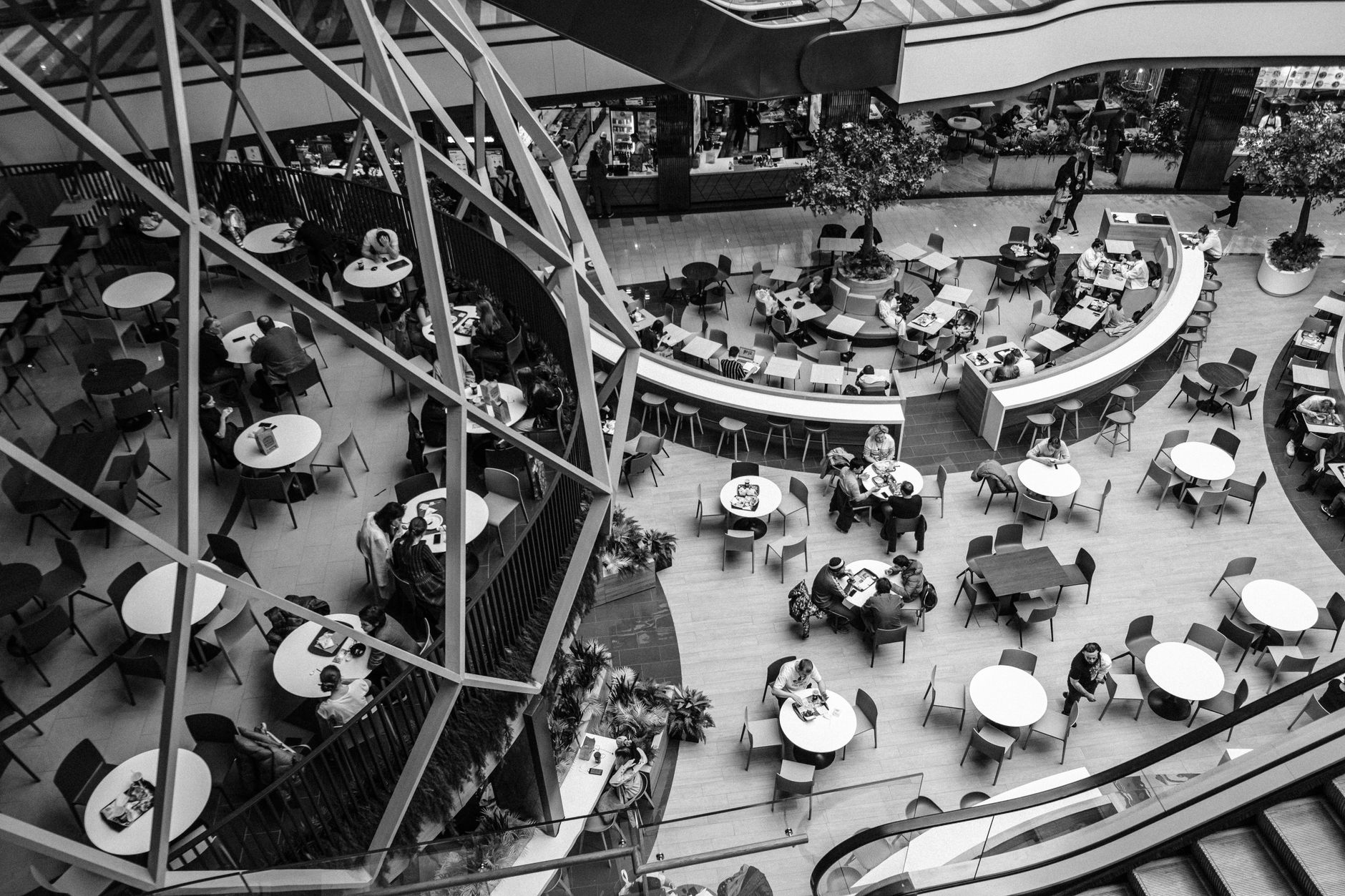
When outdoor plans get rained out, the best move is to switch to an indoor mall or the covered seating at a rooftop bar.
Since September has the most rainy days of any month, it’s worth assuming that at least one outdoor plan will get disrupted by rain. On those days, shifting to a large covered venue — a shopping mall’s food court or restaurant floor — is the most realistic option.
For ideas on enjoying the rainy season indoors, see this guide to Bangkok’s best rooftop bars, by purpose and rainy-season tips. Having a shortlist of bars with covered or semi-outdoor seating makes it much easier to adjust plans when rain arrives without warning.
When Should You Set Up Your SIM, Maps, and Ride-Hailing Apps?
The right time to sort out your connectivity is before you land in Thailand — ideally before you even leave home.
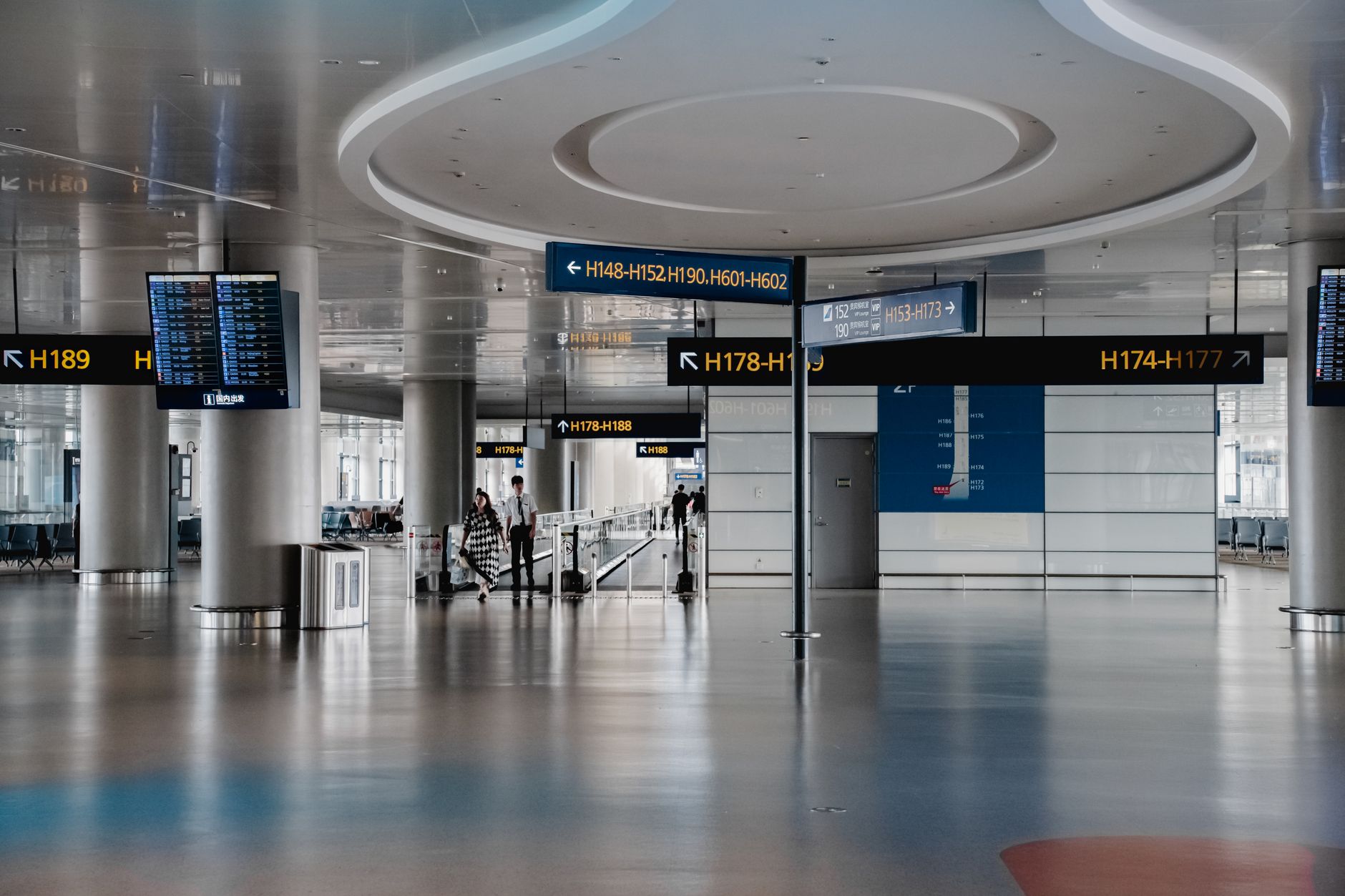
When a downpour hits, you’ll likely need a ride-hailing app to secure transport or a rain radar app to check when the rain will ease up — and that connectivity is needed the moment you land at the airport. If you spend time searching for a SIM card after arrival, the rain may only get heavier while you wait.
Setting up an eSIM before departure means you can start using maps and ride-hailing apps the second you step off the plane. The author uses a Saily eSIM through a referral program, and the referral code “DOMUEH5022” gives about US$5 off (US$10 off the Ultra plan) — this is a referral program, not a paid advertisement.
For travellers who need a more robust setup for business trips, this complete guide to business travel in Thailand — covering airport access, connectivity, and client dinners — is also worth a look. You can also set up your eSIM in advance via Saily.
Frequently Asked Questions
Can I get through September in Bangkok with just an umbrella?
An umbrella alone tends to leave your feet wet during short downpours, so it’s safer to pair it with quick-dry shoes and a waterproof pouch for your belongings.
Is it fine to wear just short sleeves?
Short sleeves work fine outdoors, but since many indoor spaces run strong air-conditioning, it’s more comfortable to carry a lightweight layer with you.
If I can only bring one pair of shoes, sandals or sneakers?
Sandals suit travellers focused on street-level walking, while waterproofed sneakers are better if you’ll spend a lot of time in malls.
Does it rain more in September than in July and August?
Yes. Both rainfall totals and the number of rainy days peak in September, making it the height of the rainy season.
Should I arrange a SIM or eSIM before arriving?
Since you’ll likely need ride-hailing and rain radar apps right after landing, it’s best to set up an eSIM before you depart.
Do I need insect repellent?
Since humidity peaks this month, travellers doing a lot of outdoor eating or walking will find portable insect repellent worthwhile.
Summary
September in Bangkok brings the year’s highest average rainfall (335.9mm), the most rainy days (18.0), and the highest average humidity (79.3%). Temperatures stay similar to July and August at around 33°C (91°F), but the increased frequency of rain calls for a foldable umbrella paired with a raincoat, waterproofed sneakers, and a lightweight layer for air-conditioned spaces. On days when a downpour disrupts your plans, switching to an indoor mall or a rooftop bar’s covered seating keeps things manageable — and setting up an eSIM before you leave home means poor weather won’t get in the way of getting around.
Photo credits
- Photo: Khoi Pham / Pexels
- Photo: Guillaume Meurice / Pexels
- Photo: Artyom Malyukov / Pexels
- Photo: dongfang xiaowu / Pexels